
Why children learn identity through connection, not explanation
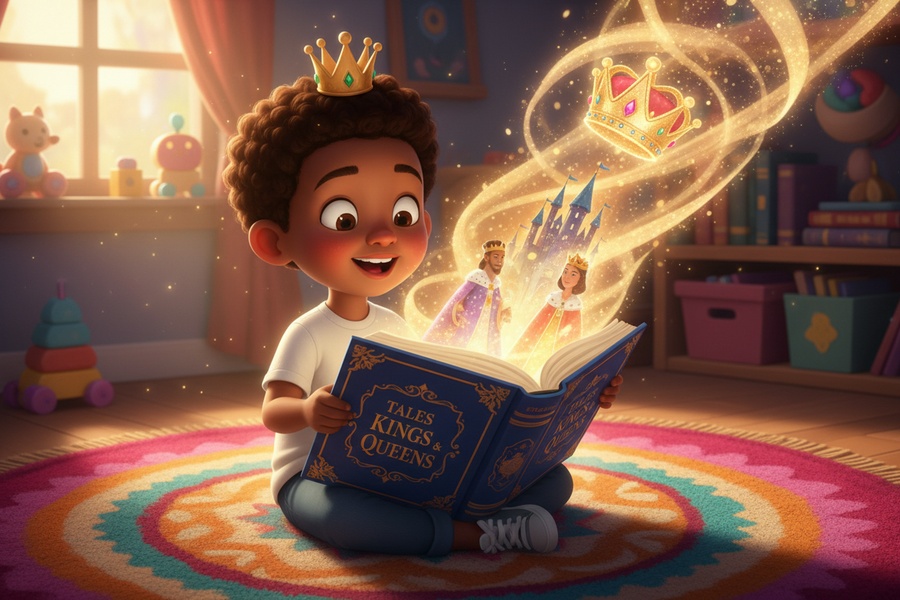
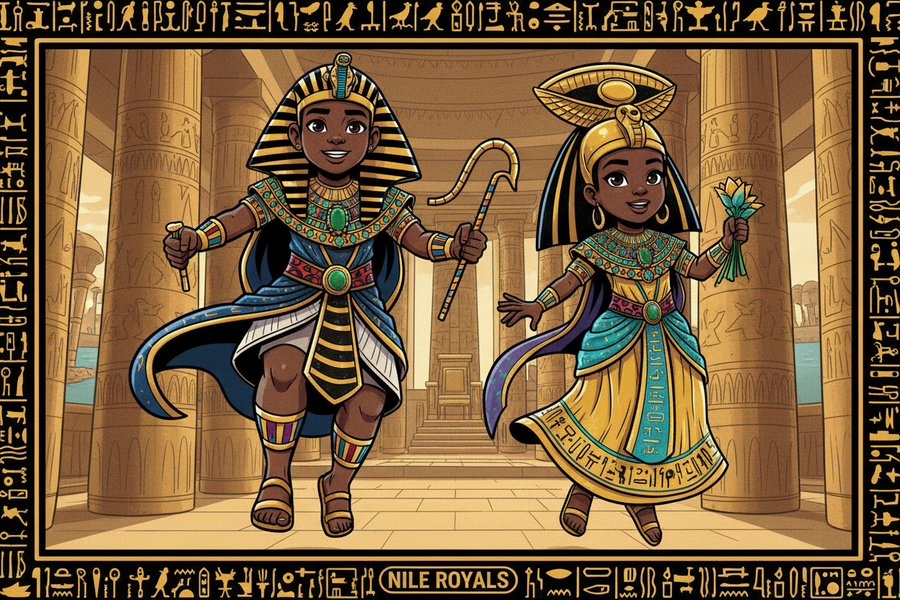
Children don’t usually learn who they are through direct instruction. They learn through stories—told, overheard, and remembered. Stories about family, shared experiences, and everyday life quietly shape how children see themselves and where they belong.
Family-centered stories offer something powerful: familiarity. When children recognize themselves, their families, or their rhythms inside a story, they don’t have to translate meaning. They feel it.
These stories don’t need to explain culture or identity. They normalize it. A child seeing love, care, humor, curiosity, and togetherness reflected back to them learns, “This is us. And that’s enough.”
That sense of recognition supports emotional safety. It allows children to feel grounded without being asked to carry history as a responsibility. Identity becomes something lived, not something performed.
This mirrors the reassurance shared in You’re Already Teaching Black History — You Just Don’t Call It That , where everyday family life is affirmed as meaningful and complete.
It also connects to the way imagination invites children to explore who they are safely, as discussed in How Imaginative Stories Encourage Kids to Explore Safely .
When children grow up surrounded by stories that feel familiar, they don’t need to be told they belong. They already know.
Dream Big, Dream Often — TL